Real answers
Sub-Zero questions we hear in Los Gatos
My fresh-food side is warm but the freezer is still frozen — what does that mean?
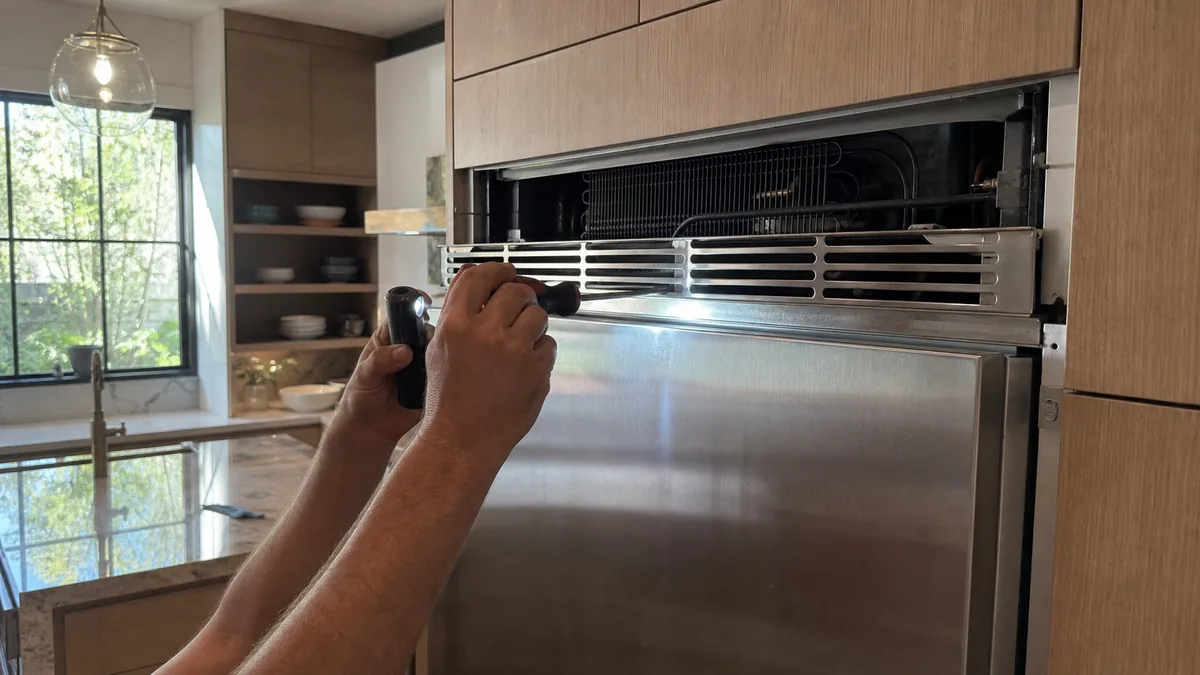
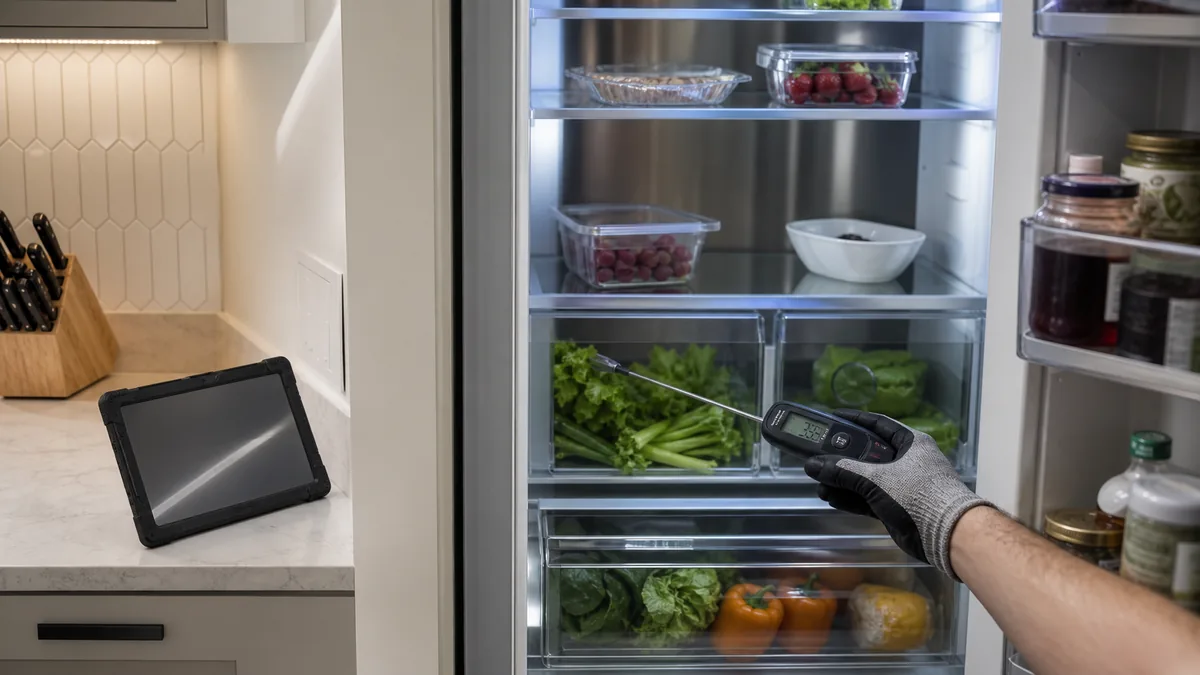
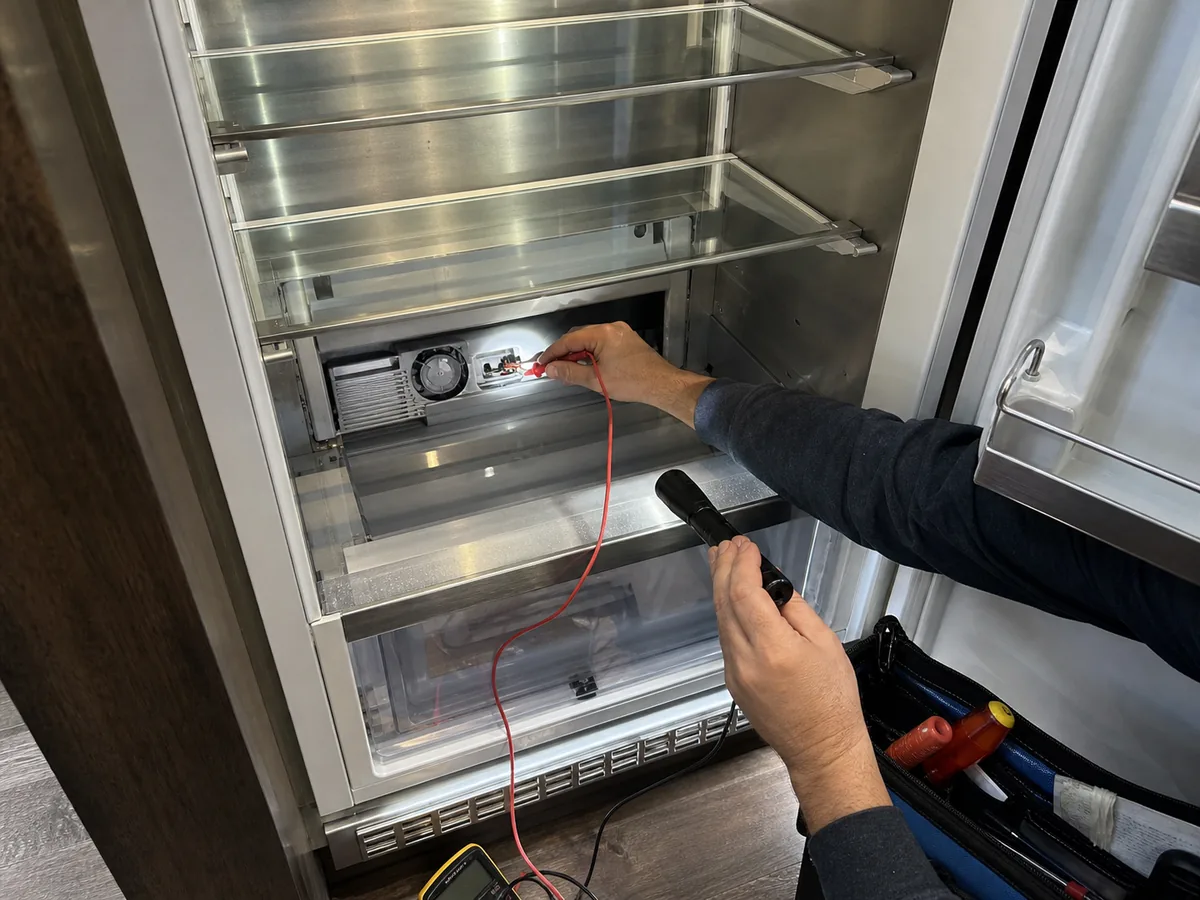
On a dual-refrigeration Sub-Zero each compartment has its own sealed system, so one side can fail while the other holds. A warm fresh-food side with a cold freezer usually points to the fresh-food evaporator fan, a frosted evaporator behind the rear panel, or that section's control — not automatically the compressor. We confirm with probe readings and a look behind the panel before quoting.
Why is my ice maker making hollow or slow cubes?
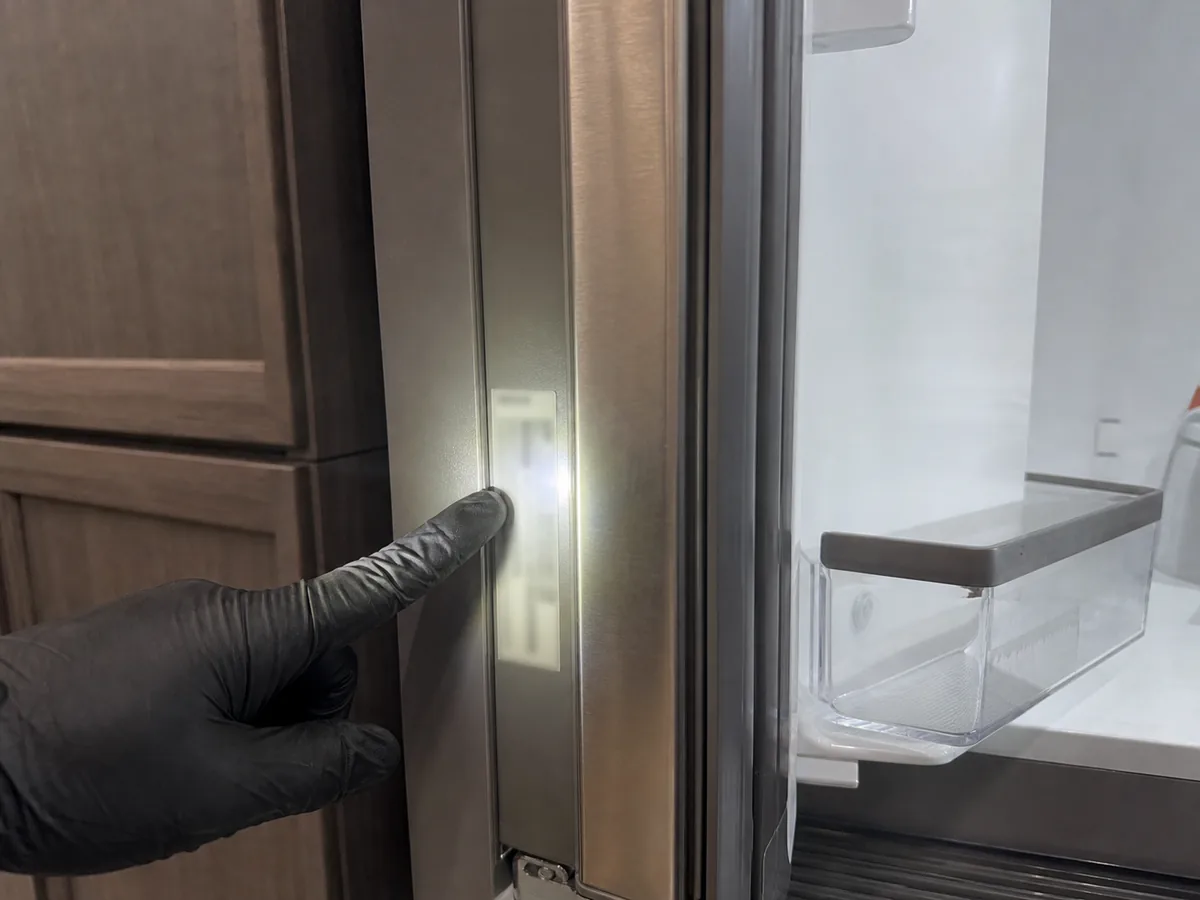
Hollow or slow cubes almost always trace to water volume: a half-open household shutoff, a weak inlet valve, or a fill tube starting to freeze shut. We test the line and valve before assuming the ice maker module itself has failed. The exact cause can only be confirmed on site once we measure fill and cycle the unit.
Do you work around custom cabinetry and panel-ready fronts?
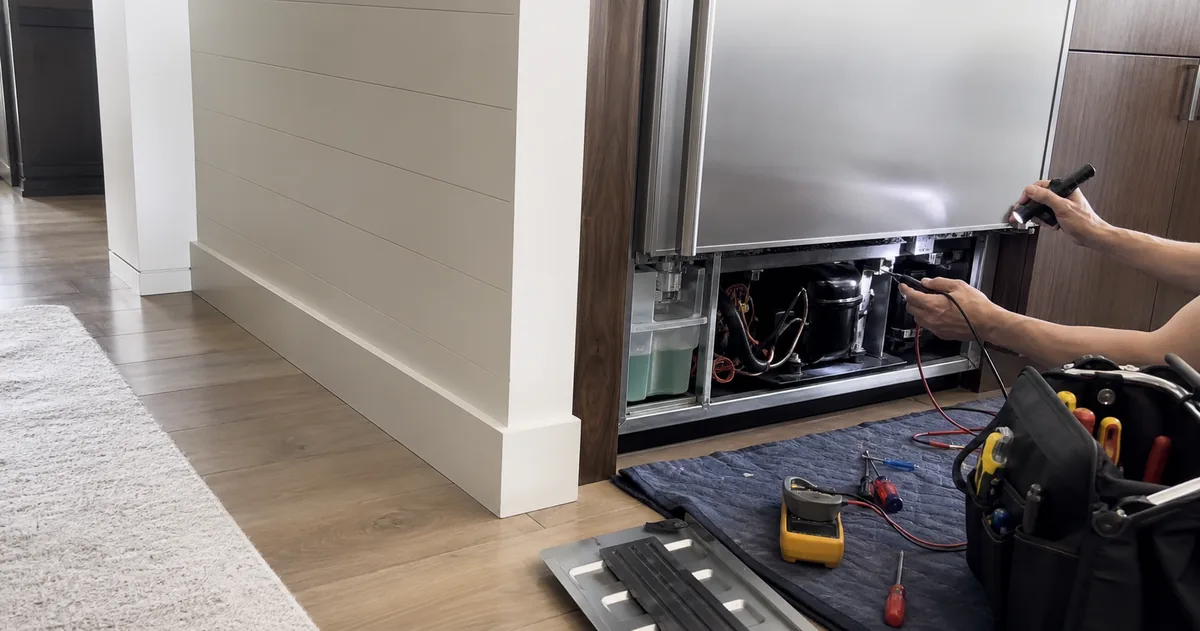
Yes. Most Los Gatos Sub-Zeros are built into millwork with panel-ready or flush-inset fronts. We protect floors and cabinet faces, pull the unit only when access requires it, and reseat it true so the door closes flush and the gasket seals. Read more on cabinet-safe service.
How much does a Sub-Zero repair cost here?
The diagnostic is $135-$210 and is credited toward an approved repair. Most fan, gasket, thermistor and control repairs land between $200 and $750. Sealed-system or compressor work on a built-in column is the expensive exception at $945-$2,650. We quote the full job before any work begins.
Is it worth repairing an older built-in Sub-Zero?
Usually, yes. A replacement built-in column or side-by-side runs $9,500-$16,500-plus installed once cabinetry is refitted, so even a sealed-system repair often extends a 15–20 year unit at a fraction of replacement. We'll tell you plainly when a 30-year-old unit no longer makes sense — the math is on our repair-vs-replace page.
Can you verify the wine column is really drifting before charging me?
Yes. We log actual zone temperatures against the set points and check the condenser, evaporator fan and control before recommending parts. A few degrees of drift over weeks is enough to harm a collection, but the cause has to be measured, not guessed.